
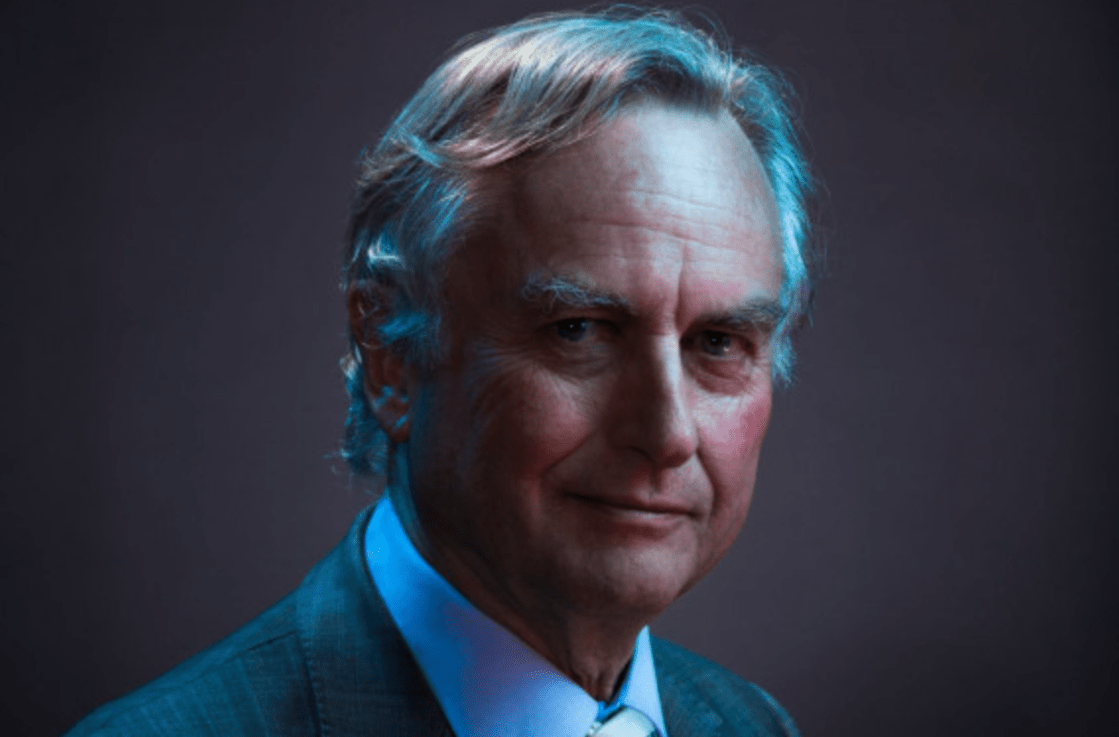
Richard Dawkins has never been one to mince words. The famed British evolutionary biologist and best-selling author is perhaps best known for advancing the cause of radical atheism worldwide.
I count myself as a fan. His 2006 book The God Delusion crystallised the arguments that convinced me to sever myself from the last vestiges of Catholicism and embrace my godlessness.
But I cringed at Dawkins’ latest missive, delivered in typical strident style to his 2.9 million Twitter followers. In a letter titled Myths Do Not Belong in Science Classes, Dawkins took aim at NZ’s peak body for science and humanities, Royal Society Te Apārangi.
The society, where I had the pleasure of working for nearly 10 years, is currently considering complaints against two of its fellows, both University of Auckland academics.
In July, they were among seven academics who put their name to a letter published in the New Zealand Listener that took issue with the Government’s decision to give equal status to mātauranga Māori (indigenous Māori knowledge) in the NCEA school curriculum.
The academics saw this as undermining the teaching of science. Dawkins agrees.
“No indigenous myths from anywhere in the world, no matter how poetic or hauntingly beautiful, belong in science classes,” he wrote.
“Science classes are emphatically not the right place to teach scientific falsehoods alongside true science. Creationism is still bollocks even it [sic] is indigenous bollocks,” he added.
He didn’t mention Professor Garth Cooper and Emeritus Professor Robert Nola, the two academics who are in the gun. I personally think it ridiculous that they are subject to these complaints. Have we become so timid that academics can’t debate these issues without fear of being thrown out of the Royal Society?
But while the academics see themselves as defenders of science, they should have taken a closer look at the society’s code of conduct, which requires members to be “respectful to other people, including acting with cultural intelligence and intellectual rigour (pūkenga), and respecting diverse values and communities (manaakitanga).”
A rational argument can still cause offence. The society is between a rock and a hard place. If the panel considering the complaints finds the academics breached the code, it will be pilloried by Dawkins and his followers for giving in to “wokeism”.
If it doesn’t, it will face the wrath of many local scientists, including the more than 2000 that signed an online petition condemning the academics’ Listener letter.
Either way, Dawkins contribution isn’t helpful. It’s devoid of the cultural context that underpins this curriculum change. Many Māori are disengaged from science because they don’t see their culture reflected in it.
Elevating the status of mātauranga Māori is not about undermining science. It is about incorporating genuinely useful indigenous knowledge, such as approaches to environmental guardianship, that complements science.
It shouldn’t be threatening to any student or parent. Science teachers I’ve spoken with are pragmatic about it and view it as a positive change. We should stop the hand wringing and see how it works in practice.
But we also need to stop the campaigns against those who, in good faith, raise ideas that challenge our own beliefs and even cause offence.
Originally published on Stuff.co.nz.
 PETER GRIFFIN