
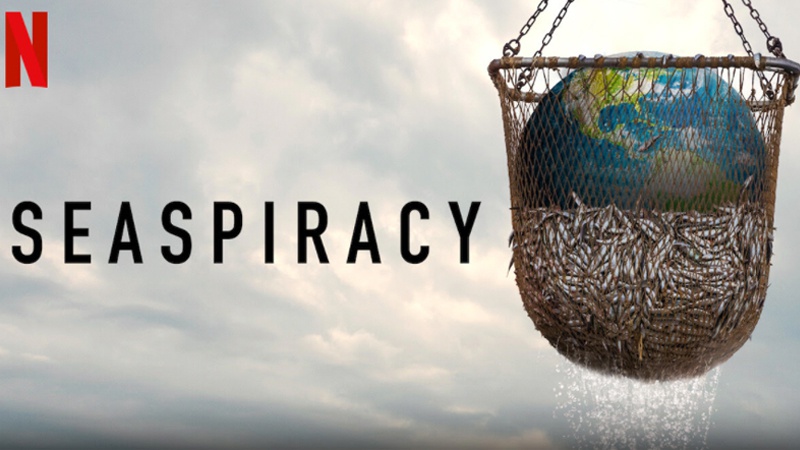
One of the top 10 most viewed shows on Netflix in New Zealand over the last couple of weeks was the documentary Seaspiracy.
It sees young English filmmaker Ali Tabrizi wandering the globe with a video camera, examining the parlous state of our marine ecosystems and humanity’s insatiable appetite for food from the sea.
From shark-finning and Japan’s fetish for whaling and dolphin hunting, to illegal fishing fleets and increasingly mechanised techniques to scoop larger hauls of fish from our oceans, Seaspiracy covers all the bases.
But then it goes further, taking aim at various not-for-profits and industry-linked groups that urge us to consume fish that is sustainably caught. That “Dolphin Safe” label on cans of tuna? A sham, Tabrizi argues, because the group behind it, the Earth Island Institute, has no reliable way of proving if dolphins are killed as a result of tuna fishing.
The Marine Stewardship Council, the respected body that certifies fisheries it deems to be sustainable, doesn’t come off much better. The supposed “good guys” of this industry are portrayed as ineffective at best, corrupt and complicit at worst.
But as I watched Seaspiracy, the cognitive dissonance kicked in. I found myself agreeing with the general thrust of Tabrizi’s argument, but recoiling at some of his “facts”.
The problem of plastic in the ocean, he tells us, is primarily down to the fishing industry, which is littering the seas with plastic nets. In fact, 80 per cent of the plastic in the ocean is down to discarded plastic items like bottles, bags and packaging finding its way into waterways and out to the sea. The remaining 20 per cent is from the fishing industry.
The incredible claims mount up. The seas will be empty of fish by 2048 at the rate we are fishing. Nearly half of all fish caught is discarded because it isn’t the target species. Both claims have been slammed by scientists.
Mistruths get the slick documentary treatment as Seaspiracy builds towards delivering its key message – that we should give up eating fish, go vegan or vegetarian to save the oceans.
It’s a ridiculous suggestion and one that makes no allowance for the fact that billions of people around the world rely on the ocean for their sustenance. In wealthy countries, pescatarians eat seafood as their only animal protein for well-founded health reasons or because it comes with a lower environmental impact than beef, pork or chicken.
The power of Netflix is its ability to create a collective global moment of reflection. It did so last year when The Social Dilemma led many to finally reflect on their relationship with social media. Maybe Seaspiracy, with all its mistruths, will do the same. But the answers aren’t contained in it.
Sustainable fishing is possible. But we need to make better-informed decisions about how much fish we take.
As the Prime Minister’s Chief Science Advisor, Professor Dame Juliet Gerrard wrote in her report on New Zealand’s fisheries, we know “frighteningly little” about the oceans we are exploiting. Plugging that knowledge gap is where we need to start.
Originally published on Stuff.co.nz.
 PETER GRIFFIN