
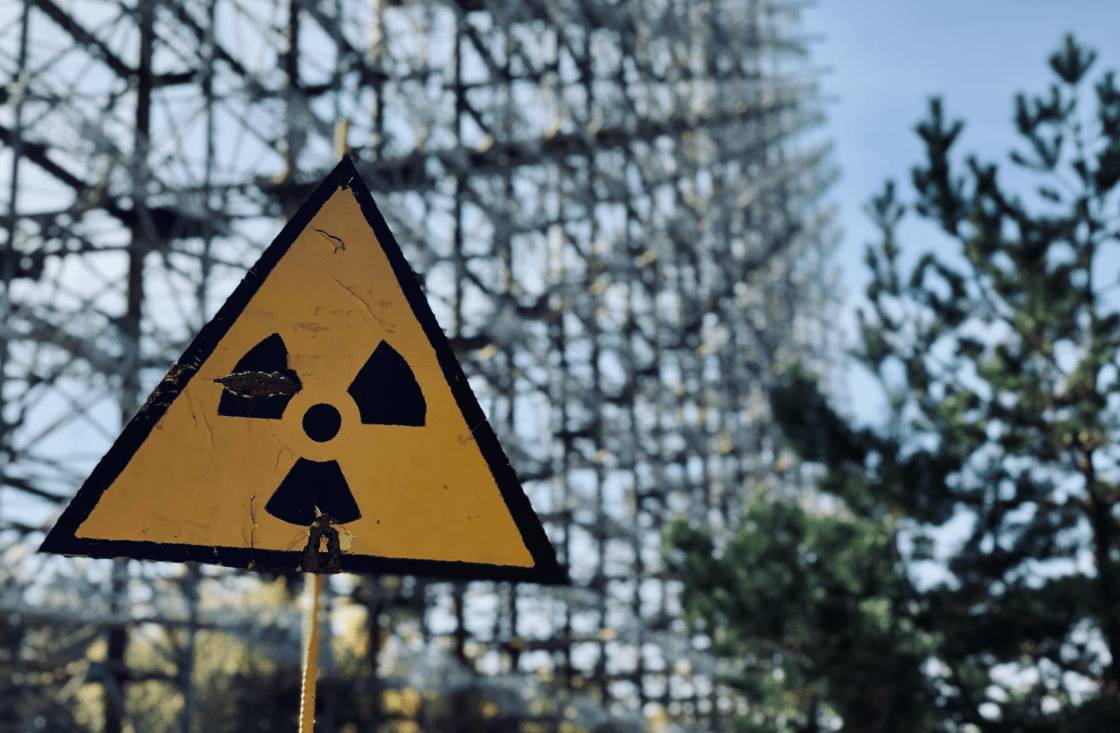
In his latest documentary, famed broadcaster and natural historian Sir David Attenborough visits Pripyat, the Ukrainian city that once served the Chernobyl nuclear reactor.
His camera crew recorded footage of elk, wild horses and wolves roaming the streets of the ghost city that was abandoned in 1986 in the wake of the reactor’s meltdown. Attenborough’s point in taking us there is that given the opportunity, nature can bounce back from even the worst disaster.
His hope for the future of the planet is that a rewilding of Earth will save us from the ravages of climate change and biodiversity loss. But Pripyat is still a restricted zone for good reason. Dangerous radiation permeates the landscape, including the large Red Forest surrounding the city and named for the colour of the pines that died as the air turned toxic.
So why is the wildlife thriving? The animals are not immune to radiation. But in the scheme of things, the danger posed to them by humans is far greater. That’s Attenborough’s other point – nuclear disaster terrifies us, but our day to day deforestation, burning of fossil fuels and rampant population growth are much worse for the planet and, ultimately, human civilisation.
A continent away, nature is also bouncing back at Fukushima, Japan where three nuclear reactors melted down in 2011 when the Tōhoku earthquake triggered a tsunami that took out the plant’s reactor cooling systems.
A new study by researchers, including geomorphologist Dr Hugh Smith from Landcare Research at Palmerston North looks at radiation readings from around the region. It shows that the decline in radiation has been much faster than after Chernobyl.
They put that down to “differences in geography and climate and the intensive remediation activities in Fukushima”. There is still a notable amount of Caesium-137 in the upper centimetres of soil in the area, which is of concern because it has a half-life of 30.1 years.
With Fukushima’s high rainfall, paddy fields and risk of landslides and floods, that radioactive material could move through the landscape via waterways for years to come. But a massive soil decontamination effort around Fukushima is seeing many agricultural, grassland and residential areas readied for use again.
It has involved removing the top five centimetres of soil from priority areas and replacing it. Restricted areas have been left wild and subsequently seen animal life thrive as at Pripyat.
Japan is gradually firing up its nuclear reactors again after years of intensive safety and legal reviews. It’s a pragmatic move to reduce the country’s reliance on imported massive amounts of coal and gas for electricity production.
We’ve learned many hard lessons about how to deal with the lingering effects of nuclear disaster. That’s crucial, because we need this low-emissions source of power more than ever.
The threat of another devastating meltdown remains, but more insidious is the less dramatic damage we are inflicting on the planet every day and which we will have to reckon with in the coming decades.
Originally published on Stuff.co.nz.
Photo credit: Vladyslav Chernasenko, Unsplash
 PETER GRIFFIN