
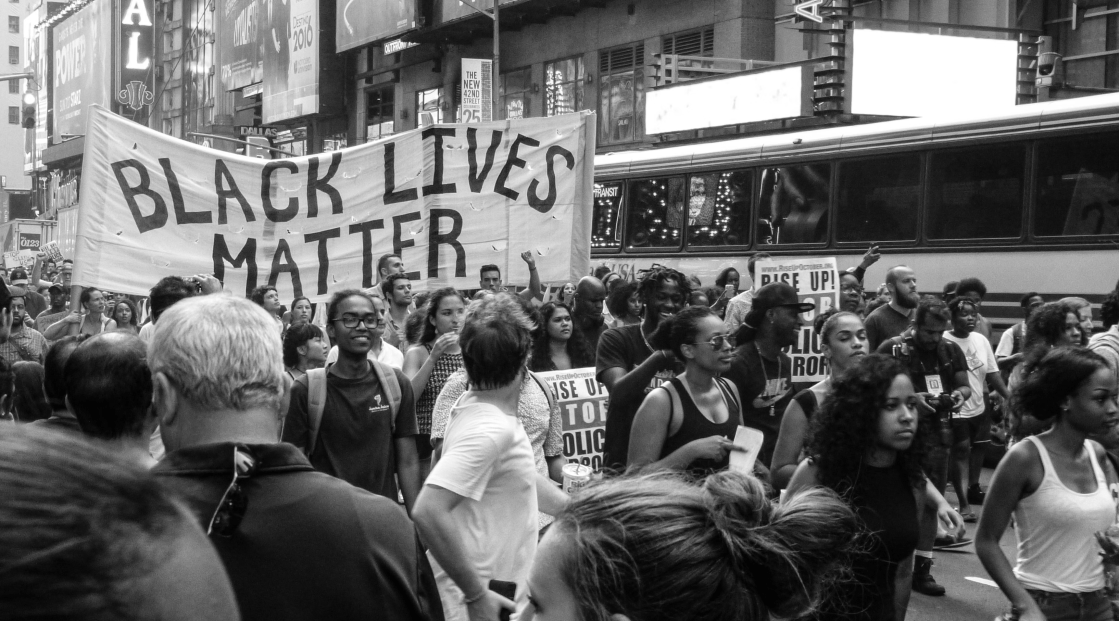
The Black Lives Matter movement, responsible for large marches and rallies around the world since May, is on the face of it a protest against police brutality towards African-Americans.
But it obviously goes much deeper than that. It is a fight against the racism that is still prevalent in all aspects of society today and which was integral to the foundation of America itself.
There are around 44 million African-Americans living in the United States today, the majority of them descendants of slaves forcibly taken from their homelands in parts of West and Central Africa and shipped across the Atlantic to work in plantations in the Americas.
We know from the shipping records of slave traders that between 1515 and 1865, some 12 million Africans, mainly men, embarked on that bleak voyage. Not all of them survived the crossing, with about 10.7m disembarking in Central America, South America and the Caribbean.
Less than five per cent of them actually landed in North America first. Many were later shipped north after being on-sold as chattels to American plantation owners.
A major study of the genetic make-up and origins of the modern African-American population is shedding new light on that ghastly business. The personal genetics testing company 23andMe used genetic data taken from more than 50,000 volunteers on both sides of the Atlantic to reconstruct the movements of the trans-Atlantic slave trade.
Researchers found that the genetic distribution of African populations into the Americas matches well with the documentary evidence left behind in shipping manifests and trading logs. After all, slaving was for hundreds of years a legitimate business, facilitated by governments. No-one involved in it felt the need to hide what they were doing.
But the genetic data confirm some aspects of the slave trade that weren’t well understood. They show that Nigerian ancestry is over-represented in African Americans, which the researchers, writing in The American Journal of Human Genetics, suggest is down to the trade in slaves within the Americas, mainly from the Caribbean.
However, African-Americans with genetic links back to the Senegambia region of West Africa are under-represented. The Senegambians grew rice in Africa, but many of them died when transferred to rice plantations in the US, where malaria was rampant.
The US has a large African-American population today because slave owners encouraged them to have children. They wanted yet more slaves but segregated them away from whites, a practice that only officially ended in 1964.
Meanwhile, in Latin America, the abolition of slavery saw the promotion of immigration from Europe, which diluted the African gene pool. The proportion of people there with greater than five per cent African ancestry is five times lower than in the US. That’s despite Latin America receiving around 70 per cent of all African slaves.
The story told in the genetics of African-Americans is one of peoples enslaved and disenfranchised. That tragedy colours race relations in the US to this day.
Originally published on Stuff.co.nz.
Photo credit: Nicole Baster, Unsplash
 PETER GRIFFIN